






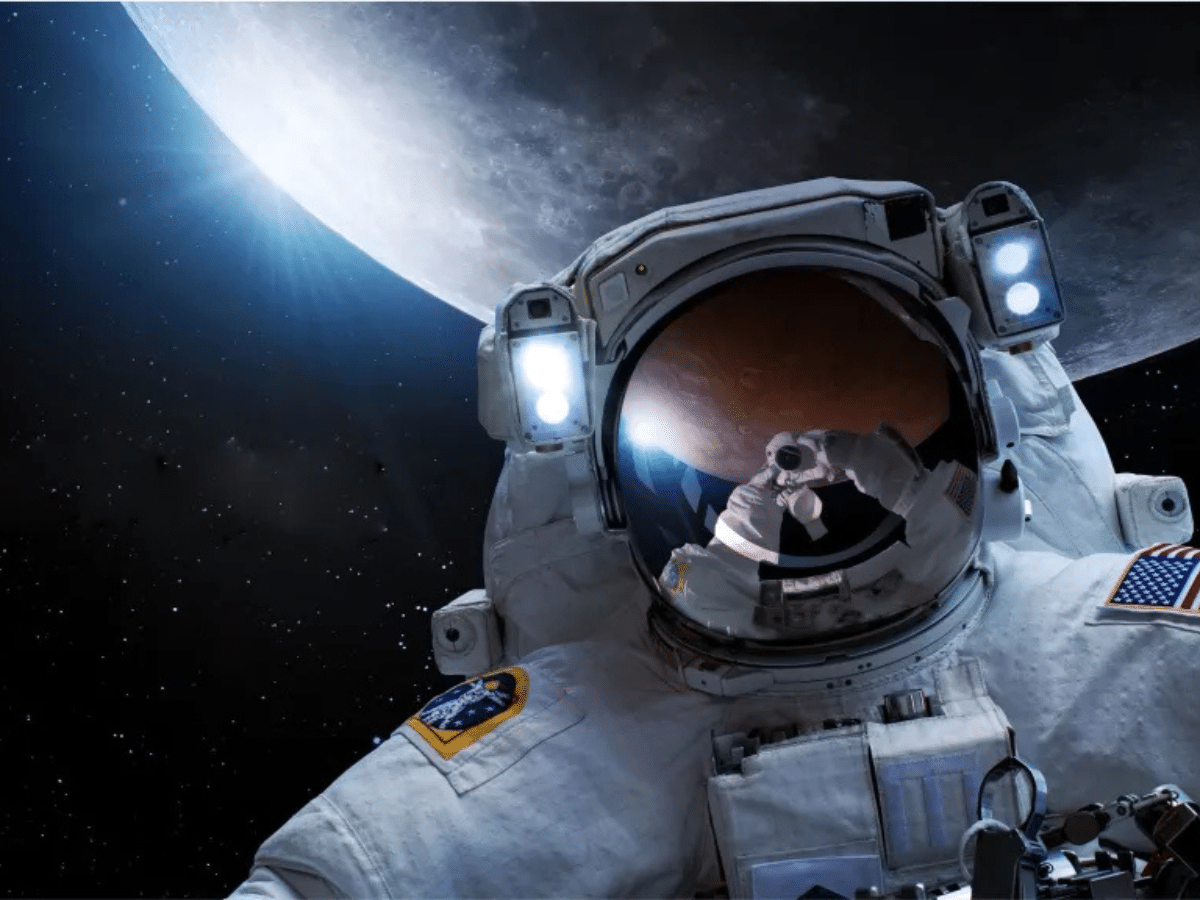
Often, when people picture living in space, the first images that come to mind are space stations, lunar bases, or perhaps a future city on Mars. Rarely do we envision the systems that make it possible.
Living in Space,” the theme of this year’s World Space Week, is both an inspiration and a formidable engineering challenge. Behind the vision of orbiting habitats and planetary settlements lies a far less visible enabler: propulsion. Though often overlooked, propulsion is the quiet force behind every successful mission, from reaching orbit to landing on distant worlds. Without it, the future we imagine remains just that – imagined.
Often, when people picture living in space, the first images that come to mind are space stations, lunar bases, or perhaps a future city on Mars. Rarely do we envision the systems that make it possible, the engines that allow us to reach orbit, adjust course, and sustain operations millions of kilometers from home.
Yet, without reliable, high-performance propulsion systems, long-term exploration, logistics, and habitation aren’t technically feasible. Propulsion defines how far, how fast, and how safely we can move through space, whether launching satellites, maneuvering spacecraft, or sustaining operations beyond Earth. It is the engineered infrastructure behind every mission, and the foundation upon which a lasting human presence in space depends. In essence, our ability to live in space starts with how we move.
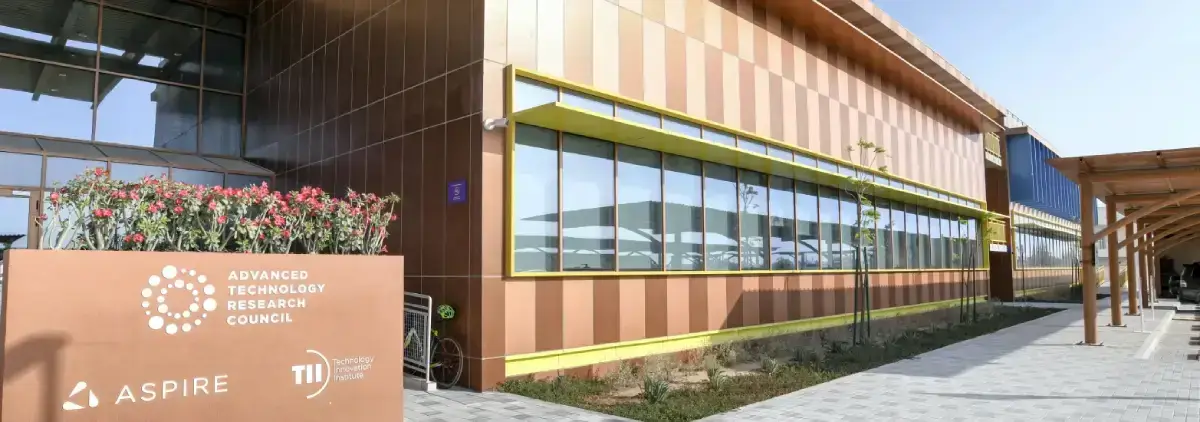
Across the space sector, investment in propulsion innovation is becoming increasingly urgent. As ambitions expand, mission success will depend on the ability to develop high-performance, flexible, and sustainable propulsion systems. The UAE, like several forward-looking nations, is responding to this need by building in-country capabilities. One recent milestone was the successful test of a domestically developed liquid rocket engine, the first of its kind in the UAE, and led by my team at the Technology Innovation Institute (TII). It marked a foundational step in advancing regional propulsion capability and supports the growing complexity of national missions, including the Emirates Mission to the Asteroid Belt.
But while national progress is vital, it is only part of the equation. Beyond national programmes, this is a global challenge that demands shared solutions. No single country can fully tackle the technical, financial, and operational complexities of propulsion innovation in isolation. Progress depends on international collaboration and combining domestic R&D with global expertise in areas such as materials science, thermal management, propellant chemistry, and advanced testing infrastructure.
This collaborative, innovation-driven approach is essential not just for reaching space, but for sustaining a meaningful presence there. Missions such as orbital servicing, lunar logistics, and interplanetary science all require propulsion systems that are more efficient, more adaptable, and more environmentally responsible than those of previous decades. Equally, reusability in launch systems is emerging as a critical lever for sustainability, reducing waste, lowering costs, and minimising the environmental footprint of access to space.
Looking ahead, several key propulsion technologies will be central to enabling how humanity lives and works in space. High-performance, storable green propellants will make operations safer and more sustainable. Regeneratively cooled engines will support longer-duration missions. Cryogenic propulsion will open pathways to deep-space exploration. Together, these systems form the backbone of the space economy – without them, the infrastructure for living and working in space cannot be built.
As the space community comes together to celebrate World Space Week with a particular focus on “Living In Space”, let us recognise that propulsion is not just an engineering concern. It is a strategic priority. It is the means by which exploration becomes permanence, and the key to turning the dream of living in space into a reality. Just as propulsion innovation drives new frontiers, advances in reusability and sustainable launch practices will ensure that humanity’s journey to space is not only ambitious, but also responsible and enduring.
Dr. Elias Tsoutsanis is the Chief Researcher of the Propulsion and Space Research Center at the Technology Innovation Institute.